Conveyor belt is a mechanical apparatus consisting of a moving tape that is from one place to another with continuous movement of any material. The belt systems are made according to exact specifications and standards to serve many useful functions. The straps are both traction and load carrying element. The conveyor belt length increases the cost as much as the rise.
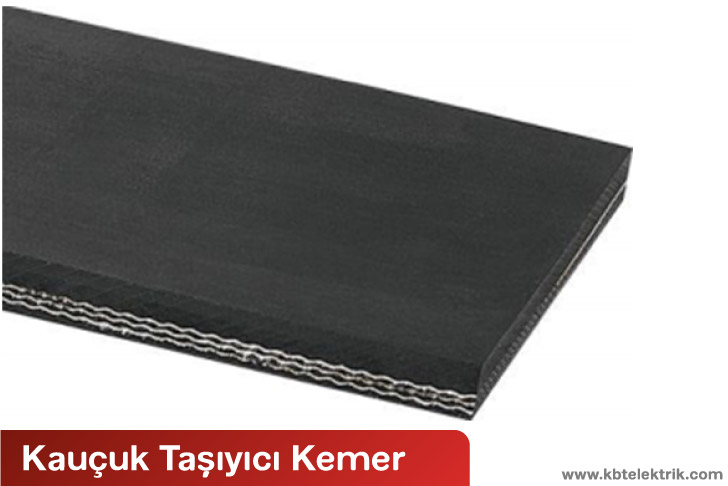
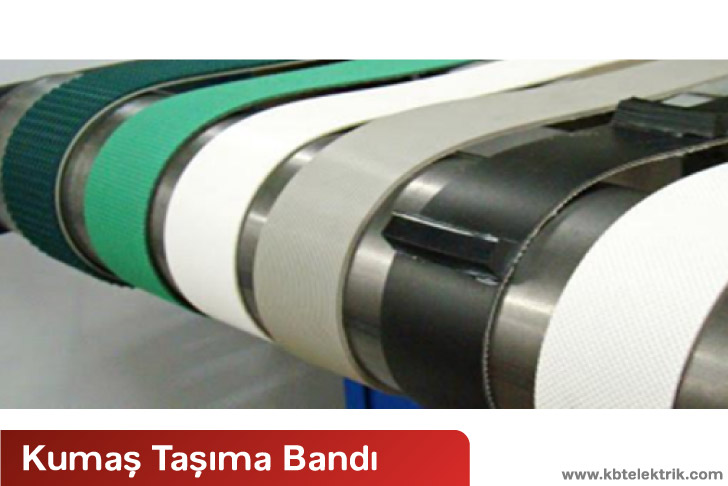
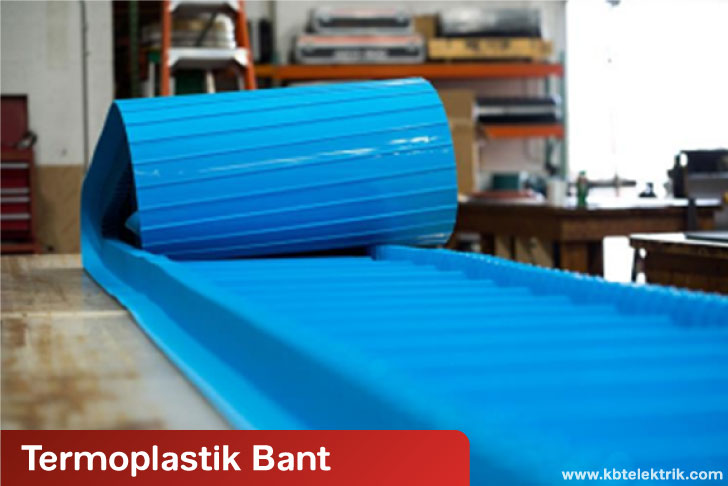
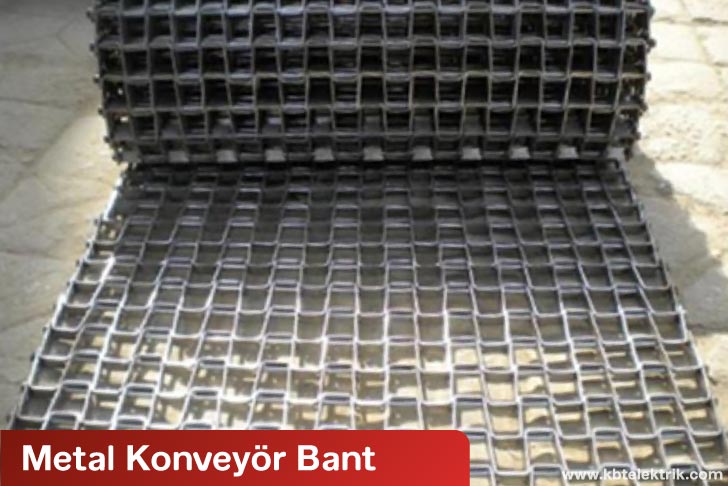
Conveyor belts are produced using a wide range of materials with a variety of features, details and advantages. There are 5 main conveyor band material types: thermoplastics, metal, rubber, fabric and leather.
What Are Conveyor Belt Materials? Accurate Material Select
Conveyor belt material types vary according to the characteristics of the load to be transported. Various important considerations should be taken into consideration when choosing a suitable conveyor tape. As a example, the buyer should decide whether steel belts that can lift heavy loads or fire resistant fabric belts that can safely carry flammable substances. If your product is chemical, the corrosive belt material, ifhigh quality material will require a high temperature resistant thermal material.
Conveyor Belt Selection First Aided
The first thing to be noted is which conveyor belt material is to be used. To choose the right one, the buyer should consider the imported material as the starting point.
• Fabric tapes are widely used in many industries such as mining, wood, paper and pulp, sugar and food, recycling and chemical and fertilizer factories.
• Metal for maximum strength and durability is therefore ideal for every industry. No need to worry about the possibility of being deformed over time the strap is not easy to spit or shape.
• Thermoplastic is a other tape coating material widely used in food processing industry. Flexible thermoplastic material is ideal for heavy duty industry, such as hygiene, as well as being lightweight when it is produced by thought, textile production and metal transfers.
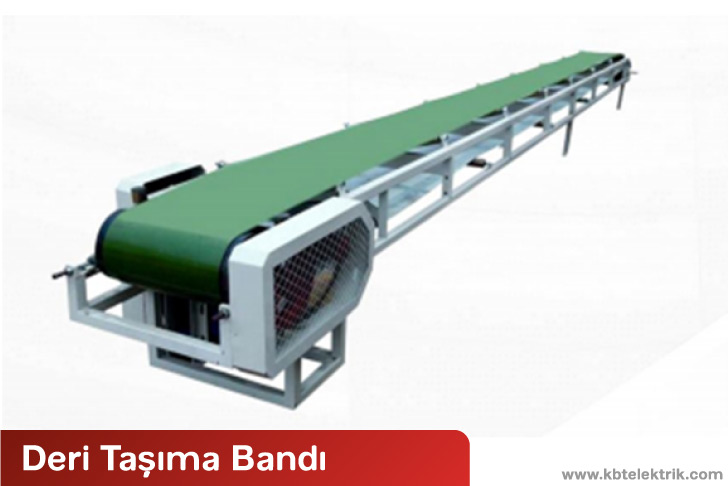
• The primitive conveyor belts are made of leather due to their availability and durability. Leather conveyor belts have a good grip and therefore they are shock resistant.
• Although there are problems with cleaning and heat tolerance, rubber conveyor belt is the most popular material in this market. Thanks to its indefinite, elastic, durable and smooth surface, rubber is the most preferred option.
Pay attention to the correct dimensions for your tape is another requirement in the process of conveyor belt material selection. Technically, the conveyor belt size differs depending on the hav angle of the material, along with the ratio of the largest part or part in the material to be transported. If you do not want your product to stick to the conveying machine, the length and width of the tape will be balanced on the productshould be. The short of the long sprue should be that if you do not want your product to stick to the carrying machine, the sizes of the tape should be in the way that the product will remain balance on the tape.
The next point when buying a tape is the conveyor belt weighing. Although materials such as fabric and rubber have many positive advantages, it may not be an ideal choice to carry heavy industrial products or large mining products. If you do not want to wrap or bend the product while carrying a heavy material, you need to consider the weight factor when choosing the right strap.